
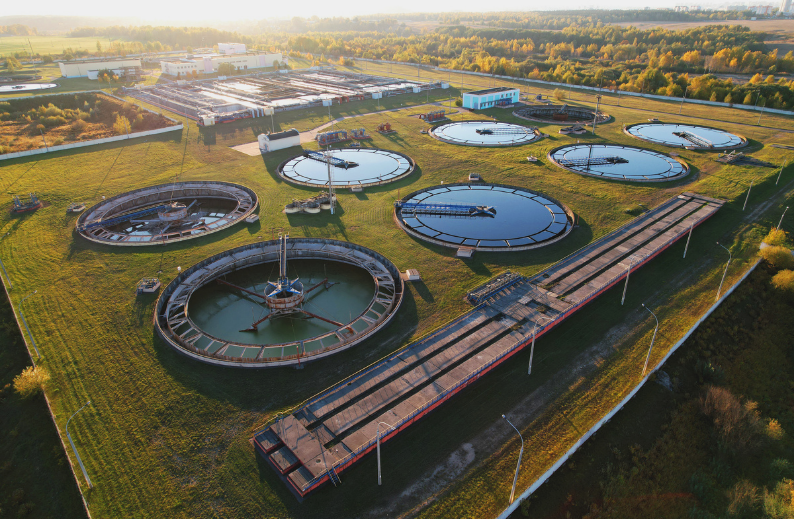
Expand STP & WWTP Capacity and Improve Effluent Quality — Using Existing Infrastructure
Rapid growth and rising loads push WWTPs beyond design capacity, leading to ammonia instability and poor effluent quality for reuse. By optimising oxygenation, we help expand capacity and stabilise treatment performance quickly, without costly new tanks and infrastructure.

High-Quality, Reusable TSE
Fast, Low-Disruption Implementation
Lower OPEX since day one
Up to 30% More Capacity - within existing infrastructure
The Real Challenges Facing GCC STPs & WWTPs
01
Inefficient systems
Many existing plants rely on outdated aeration designs with low oxygen transfer efficiency, which limits capacity and performance.
02
Need for More Capacity
Rapid urban and industrial growth strains plants beyond design capacity, bringing risks of overloading biological processes.
03
Inconsistent TSE Quality
Fluctuating ammonia and BOD levels lead to effluent failing reuse standards and impact irrigation and municipal reuse programs.
04
High Operational Costs
Inefficient aeration systems consume excess energy increasing OPEX and additional chlorine costs due to unstable ammonia control.
Why does improved oxygenation matters?
Oxygen is fundamental to biological treatment. Without sufficient dissolved oxygen (DO), biomass cannot reliably remove BOD/COD or achieve complete nitrification of ammonia, resulting in unstable effluent quality and increased chemical demand.
Optimising the removal of surfactants and FOG emulsions, while improving biodegradability upstream of the biological stage, eliminates oxygen-related inefficiencies. This stabilises nitrification, increases effective treatment capacity, and ensures consistent TSE quality delivered rapidly, cost-effectively, and with proven performance.
The benefits a more efficient biological stage provide
Less COD, TSS and improved biodegradability of organics entering the biological stage improve efficiency of oxygen utilisation by bacteria, improving effluent quality, treatment capacity and reducing OPEX required for aeration, pH correction and disinfection.
Practical Limits:
Clarifiers must handle increased biomass → if clarifiers are overloaded, additional oxygen alone won’t fix settling.
Sludge age (SRT) must remain balanced → very low SRT can limit nitrification.
Aeration must provide effective mixing → optimized pre-treatment and post-treatment convert any existing STP into more efficient and less costly processes with reduced odors and sludge volumes.
Optimized removal of COD and emulsions addresses biological treatment related limits, but must be integrated with clarifiers and sludge management for full benefits.
Our Solution:
Improved Pre and Post Treatment
We retrofit existing sewage and wastewater treatment plants with high-efficiency, non-chemical pre- and post-treatment solutions, fully integrated within the existing infrastructure.
By avoiding major CAPEX and delivering implementation in weeks rather than years, we reduce the risks associated with overcapacity, substandard TSE quality, and operational instability while significantly lowering the plant’s carbon footprint.

We deliver a complete solution, ready to deliver benefits since day one, helping save billions of dollars
Expanded treatment capacity without adding new tanks
Consistent production of reuse-quality TSE.
Rapid DO stabilisation
Reliable nitrification and ammonia control - reduction of disinfectant consumption
Top Benefits for Your Plant
01
+10–30% More Capacity
Expand treatment without new tanks, avoid significant CAPEX and add revenue from more influent treatment or protect existing production.
02
Stable Ammonia
Reduce chlorine costs, improve compliance and protect high TSE quality, making water reuse more available.
03
Reuse-Ready Effluent
Meet reuse standards and additional income from TSE sales. At the same time, cut national desalination reliance & lower long-term OPEX.
04
Fast Retrofit
Quick upgrades with minimal downtime and rapid ROI. Bring impact, value and significant savings quickly.
Standard

Long, uncertain development — teams start from zero with trial and error
High risk of poor oxygen integration leading to wasted oxygen, rising OPEX, and missed capacity goals
Lack of process expertise may disrupt sludge stability, cause persistent ammonia issues, and result in inconsistent TSE quality
Delays in achieving reuse compliance expose the plant to ongoing regulatory and operational risks
Net Zero Water
Immediate access to 9 years of specialised experience in oxygen integration for biological wastewater
Optimised system design from the start ensures stable ammonia control, higher effluent quality, and faster reuse compliance
Efficient oxygen use minimises OPEX, avoiding wasted supply and securing sustainable cost savings
Smooth implementation protects sludge performance, reliably expands capacity, and avoids costly process upsets
Complete integration of diffusers, oxygen supply (LOX/PSA), and process tuning into a single, cohesive solution, simplifying execution and ensuring long-term success